

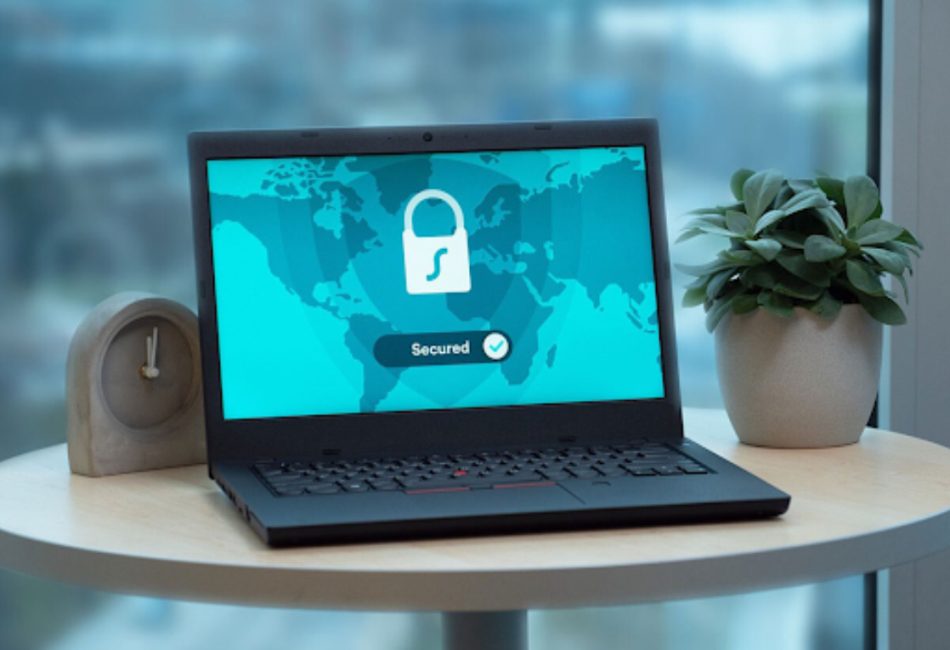
In today’s interconnected world, where privacy and security are paramount concerns, a Virtual Private Network (VPN) has become an essential tool for internet users. A VPN is a private and encrypted connection that protects people’s online activities and keeps their privacy. In this article, we will look at the concept of a virtual private network, how it works, the different types of VPNs available, and the seven advantages of using a VPN for everyday internet use.
What is a Virtual Private Network (VPN), and How Does It Work?
A virtual private network, or VPN, is a technology that connects your device to the internet securely and securely. It acts as a private tunnel through which your internet traffic passes, ensuring that your data remains protected from unauthorized access.
Encryption: Protecting Your Data
When you connect to the internet through a VPN, it encrypts your data before it leaves your device. Encryption involves converting your data into a coded format, making it unreadable to anyone who may intercept it. This encryption ensures that your sensitive information, such as passwords, financial transactions, or personal messages, remains secure.
Routing Through VPN Servers
To establish a VPN connection, your data is routed through VPN servers located in different geographic locations. These servers act as intermediaries between your device and the internet. When your data reaches a VPN server, it is decrypted and sent to its intended destination: a website, online service, or other online resources. This process effectively masks your true identity and location, enhancing your privacy and security.
7 Advantages of VPN Network for Everyday Use
Enhanced Security and Privacy
One of the primary advantages of using a VPN network is the enhanced security and privacy it provides. A VPN protects your data from potential risks such as hackers, cybercriminals, and spying by encrypting your internet traffic and passing it through secure VPN servers.
Access to Geo-Restricted Content
A VPN enables you to circumvent geographical limitations and access stuff that is forbidden or restricted in your area. You can appear to be browsing from a different nation by connecting to a VPN server in that country. This enables you to access region-specific websites, streaming services, or other online content that may otherwise be unavailable to you.
Protection on Public Wi-Fi Networks
When connecting to public Wi-Fi networks, such as those in cafes, airports, or hotels, your data is at risk of being intercepted by malicious actors. Using a VPN on public Wi-Fi networks, on the other hand, encrypts your internet traffic, assuring the security of your important information, such as login credentials or financial information.
Anonymity and Privacy Online
A VPN provides you with anonymity and privacy online by protecting your IP address and location. Instead of your true identity, your internet activities appear to originate from the VPN server’s location. This helps protect your online privacy by making it difficult for third parties, including advertisers or government agencies, to track your online activities.
Secure File Sharing and Remote Access
With a VPN, you can safely access your files, documents, or other resources stored on your home or office network from anywhere in the world. This is particularly useful for remote work scenarios or when you need to access sensitive information while traveling. A VPN ensures that your communication and data exchange remain encrypted and protected.
Evading Internet Censorship and Surveillance
In regions where internet censorship and surveillance are prevalent, a VPN can help you bypass these restrictions and maintain online freedom. By connecting to a VPN server located in a country with fewer restrictions, you can bypass censorship and access the internet with fewer limitations. Additionally, a VPN encrypts your internet traffic, making monitoring your online activities challenging for government agencies or ISPs.
Protection against Online Threats
A VPN network protects against various online hazards, including malware, phishing attacks, and identity theft. By encrypting your data and routing it through secure VPN servers, a VPN adds an extra layer of defense, preventing malicious actors from intercepting your sensitive information or tracking your online behavior.
What are the five types of VPNs?
Remote Access VPN
Remote Access VPN allows users to connect securely to a private network from a remote location. It allows individuals to access resources, files, and applications on their organization’s network as if they were physically present in the office. This type of VPN is particularly beneficial for remote workers and telecommuters who need secure access to company resources and the ability to collaborate with colleagues.
Site-to-Site VPN
Site-to-Site VPN, also known as Router-to-Router VPN, connects multiple networks in different locations securely over the internet. It enables organizations with multiple branch offices or geographically dispersed teams to establish secure and private communication between their networks. Site-to-Site VPNs are used for interoffice communication and to ensure secure connectivity when businesses expand to new locations.
IPsec VPN
IPsec (Internet Protocol Security) VPN is a protocol suite that provides secure communication over IP networks. It ensures data confidentiality, integrity, and authentication, making it a popular choice for securing internet connections. IPsec VPNs are commonly used for confidential data transfer and secure remote access. They allow remote workers to establish a secure connection to their organization’s network, protecting their communications and data from unauthorized access.
SSL/TLS VPN
SSL (Secure Sockets Layer) or TLS (Transport Layer Security) VPN creates a secure connection between a user’s web browser and a VPN server using SSL/TLS protocols. It is commonly used to provide secure remote access to web applications and services. SSL/TLS VPNs enable users to securely access web-based applications and services hosted on their organization’s network from any location. They also provide a layer of encryption and privacy for users browsing the internet, protecting their sensitive data from potential threats.
MPLS VPN
MPLS (Multiprotocol Label Switching) VPN utilizes MPLS technology to provide secure and efficient communication between multiple sites within a private network. Large organizations with complex network infrastructures often use it. MPLS VPNs are beneficial for enterprise networking, enabling secure communication between headquarters, regional offices, and data centers. They also offer improved Quality of Service (QoS) for applications that require guaranteed bandwidth and low latency, such as voice and video conferencing.
Conclusion
A Virtual Private Network (VPN) offers numerous advantages for everyday internet use. From providing enhanced security and privacy to bypassing geo-restrictions and protecting data on public Wi-Fi networks, a VPN empowers users to have a safer and more private online experience. By understanding the concept of VPNs, the different types available, and their various advantages, individuals can make informed decisions and harness the benefits of using a VPN for their everyday internet activities.
