

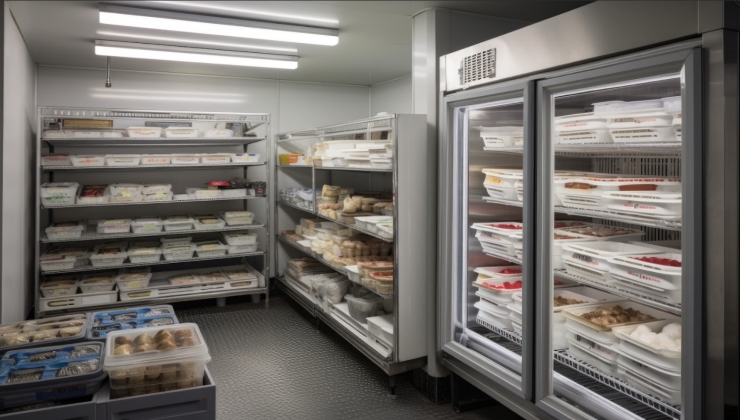
Cold storage plays a crucial role across numerous industries, from food and pharmaceuticals to floriculture, by preserving product quality and extending shelf life. Efficient management of cold storage spaces is fraught with challenges, such as the need to maintain consistent temperatures and optimize storage layouts. These efforts are critical for maximizing profitability and reducing waste, underscoring the complexity of cold storage operations.
-
Understanding Cold Storage Requirements
To effectively manage cold storage spaces, it’s crucial to grasp the diverse requirements based on the type of products and their storage needs. Facilities range from walk-in refrigerators, ideal for perishable goods like dairy and produce, to deep freezers, which are essential for preserving the quality of meat and seafood by rapidly lowering temperatures.
The size and design of these units must be carefully planned to handle varying inventory levels, ensuring there’s enough room for peak times without wasting space during slower periods. Maintaining the right balance in cold storage spaces or commercial fridges necessitates a deep understanding of each product’s specific temperature and humidity needs. Additionally, knowing the turnover rates of these products is essential to efficiently manage the storage space and ensure the quality of the stored items.
-
Optimizing Cold Storage Layout
To maximize space and efficiency in cold storage, it’s essential to design the layout thoughtfully. This includes strategically placing aisles and storage units to facilitate easy movement and access. Employing vertical storage solutions and adjustable shelving can dramatically increase capacity, while ensuring products are easily accessible.
Furthermore, considering the specific needs of various products, such as their size and frequency of access, can lead to a more organized and efficient storage environment. This approach not only optimizes space usage but also streamlines operations, reducing the time and effort required to locate and move inventory.
-
Temperature Management And Monitoring
Maintaining optimal temperatures for various products is crucial in cold storage management. This involves setting specific temperature ranges for different items to preserve their quality and extend shelf life.
Advanced technology plays a pivotal role in monitoring and controlling these conditions. Automated systems can adjust temperatures in real-time based on the products stored and external weather conditions, ensuring consistent storage environments. Integrating sensors allows for continuous tracking of temperature and humidity levels, sending alerts for any deviations, which is essential for preventing spoilage and maintaining product integrity.
-
Energy Efficiency In Cold Storage
Enhancing energy efficiency in cold storage involves adopting strategies that minimize power use without compromising the quality of storage. Insulation plays a critical role; high-quality, well-designed insulation reduces the need for cooling systems to work overtime, thereby saving energy.
Modern lighting solutions, like LED lights, also significantly cut down energy consumption due to their lower heat output and higher efficiency compared to traditional lighting. Upgrading to advanced refrigeration systems that include variable speed drives can significantly reduce energy consumption. These systems, along with more efficient cooling methods, greatly impact operational costs and the environmental footprint.
-
Inventory Management For Cold Storage
Effective inventory management is critical in cold storage facilities to minimize waste, prevent overstock, and maintain product integrity. Implementing a sophisticated inventory management system allows for precise tracking of stock levels, using software and automation to enhance accuracy and efficiency. These systems enable real-time inventory tracking, facilitating immediate adjustments and informed decision-making.
Advanced inventory solutions can also integrate with other systems, providing comprehensive insights into stock age, turnover rates, and demand forecasting. This holistic approach helps in maintaining optimal stock levels, reducing the risk of spoilage, and ensuring a seamless supply chain operation
-
Compliance And Safety Standards
Compliance with regulatory requirements is essential for cold storage facilities to ensure both worker safety and product integrity. These standards cover everything from proper temperature controls to the handling and storage of goods. Adhering to these regulations helps in preventing accidents, injuries, and product spoilage.
Equally important is investing in proper procedures and equipment, which supports compliance efforts and boosts efficiency and reliability in operations. Regular training for staff on safety protocols and the use of specialized equipment can further enhance compliance and safety in these critical environments.
In Conclusion
Efficient cold storage space management is crucial for maximizing both operational efficiency and profitability.
Understanding specific storage needs, optimizing layouts, and maintaining precise temperature controls are key steps businesses take to enhance their operations. Additionally, focusing on energy efficiency, effective inventory management, and strict adherence to safety and compliance standards can lead to significant operational improvements.
These practices not only ensure product quality and reduce waste but also support sustainable, cost-effective business models, ultimately leading to better outcomes for both companies and their customers.
