

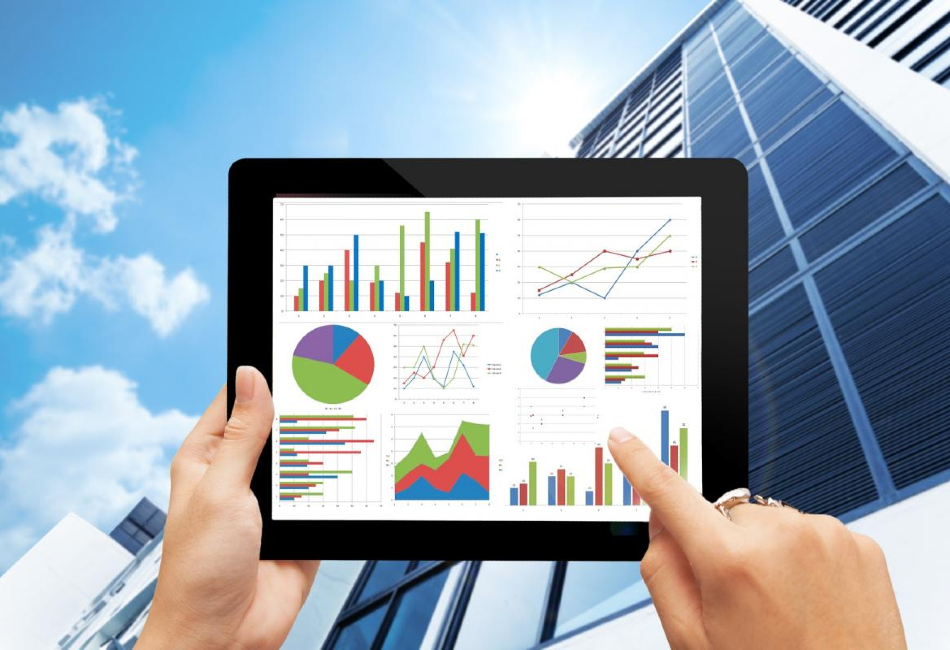
Efficient building management is no longer a luxury but a necessity in today’s rapidly evolving world. As we continue to witness urbanization and technological advancements, the importance of sustainable, energy-efficient, and comfortable spaces becomes paramount. The integration of HVAC systems inside Building Management Systems (BMS) is at the center of this initiative. This integration not only revolutionizes the way we manage buildings but also paves the way for enhanced comfort, reduced costs, and minimized environmental impact.
Importance Of Efficient Building Management
Efficient building management goes beyond mere aesthetics; it encompasses factors such as energy efficiency, occupant comfort, and environmental responsibility. Buildings account for a large share of worldwide energy consumption and carbon emissions; thus, optimizing their operations is critical. An efficient building not only reduces its carbon footprint but also offers better working or living conditions for occupants. HVAC systems play a pivotal role in achieving this efficiency, as they are responsible for maintaining the indoor environment, which directly affects occupant comfort and energy consumption.
Integration Of HVAC Platforms In Building Management Systems (BMS)
The integration of Con-form Group HVAC Platforms within BMS marks a paradigm shift in building management strategies. Traditionally, these systems operated in silos, often leading to inefficiencies and suboptimal performance. However, with modern technologies, the convergence of HVAC platforms and BMS allows for centralized control and holistic optimization.
Centralized control enables facility managers to monitor, control, and manage HVAC systems across multiple buildings from a single interface. This integration ensures that heating, cooling, and ventilation systems work in harmony to maintain optimal conditions while minimizing energy consumption. Furthermore, it facilitates data sharing between various building systems, leading to informed decision-making and comprehensive optimization.
Real-Time Monitoring And Analytics
The key to efficient building management lies in real-time monitoring and analytics. HVAC platforms integrated into BMS offer real-time insights into the performance of building systems. This real-time data empowers facility managers to promptly identify deviations from desired parameters and take corrective actions. For instance, if a room’s temperature rises unexpectedly, the system can automatically adjust the HVAC settings to restore the optimal conditions.
Advanced analytics provide a deeper understanding of building performance trends, energy consumption patterns, and occupant behavior. By analyzing this data, facility managers can identify opportunities for further optimization. For example, they can determine peak usage times and adjust HVAC schedules accordingly to reduce energy demand during expensive periods.
Predictive Maintenance And Fault Detection
One of the most transformative aspects of integrating HVAC platforms into BMS is the potential for predictive maintenance and fault detection. Traditional maintenance practices are often based on fixed schedules, which can lead to unnecessary downtime and increased maintenance costs. However, with the help of data-driven insights, facility managers can adopt a predictive approach.
Sophisticated algorithms analyze data from sensors embedded within HVAC systems to identify signs of impending faults or suboptimal performance. This enables facility managers to schedule maintenance or repairs before a minor issue escalates into a major problem, thus preventing costly disruptions and extending the lifespan of equipment.
Energy Management And Cost Savings
Energy management is at the core of optimizing building operations. HVAC systems typically account for a substantial portion of a building’s energy consumption. By integrating HVAC platforms into BMS, facility managers can implement energy-efficient strategies that have a substantial impact on operating costs.
Dynamic optimization of HVAC settings, based on real-time data and occupancy patterns, reduces energy waste and minimizes utility bills. For instance, unoccupied areas can be automatically set to energy-saving modes, and temperature adjustments can be made in response to weather fluctuations.
Furthermore, the insights provided by integrated systems enable facility managers to identify areas of excessive energy consumption and implement targeted efficiency improvements. Over time, these small adjustments accumulate into significant cost savings and contribute to a more sustainable future.
In conclusion, optimizing building management through the integration of HVAC platforms within BMS is a game-changer in the world of facility management. This approach enables real-time monitoring, data-driven decision-making, predictive maintenance, and energy-efficient operations. As we strive for sustainable and comfortable living and working spaces, embracing these technologies is not just an option but a necessity. The benefits extend beyond reduced costs and environmental impact—they translate into happier occupants, longer-lasting equipment, and a more resilient and efficient built environment. In a world where every watt of energy saved matters, the collaboration between HVAC platforms and building management systems sets a new standard for the future of smart buildings.
