

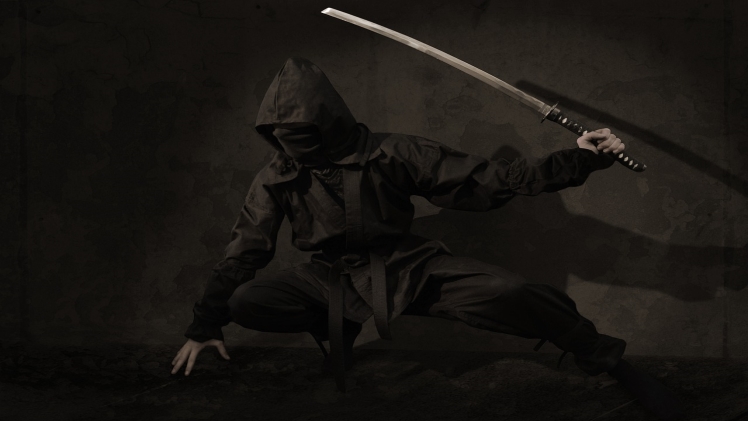
The katana, a type of longsword used by Japanese samurai, is an iconic symbol of Japanese culture and craftsmanship. The creation of a true katana is an art form that has been refined over centuries, involving traditional techniques passed down through generations. The process is meticulous and requires a high level of skill and dedication. Here’s a glimpse into the artistry and craftsmanship behind these magnificent weapons:
History and Significance
- Origin: The katana originated in the Muromachi period (1392–1573 AD) as a response to the need for a sword that could be drawn and used more quickly in battle.
- Symbolism: It is not just a weapon but a symbol of the samurai’s honor, discipline, and loyalty.
The Craftsmen: Swordsmiths
- Apprenticeship: Becoming a swordsmith in https://www.truekatana.com often requires a lengthy apprenticeship, often lasting five years or more, under a master smith.
- Certification: In Japan, swordsmiths must be licensed and can only create a limited number of swords each year, ensuring the preservation of quality and tradition.
Materials Used
- Tamahagane: The traditional steel used for katanas, made from iron sand and charcoal in a tatara, a clay furnace.
- Other materials: For various parts of the sword such as the handle and sheath, materials like ray skin, silk, and lacquered wood are used.
The Forging Process
- Smelting: Creating tamahagane involves a week-long smelting process in which the steel is repeatedly heated, hammered, and folded.
- Shaping: The smith shapes the tamahagane into a blade, carefully controlling the temperature and rate of work to avoid imperfections.
- Clay Tempering: The blade is coated with a layer of clay that varies in thickness. During quenching, this creates a differential hardness in the steel, leading to the creation of the hamon, the distinctive wavy pattern along the sharp edge.
- Polishing: A specialized sword polisher then refines the blade over several weeks, bringing out its aesthetic qualities and sharpness.
Aesthetic Elements
- Hamon: Each hamon is unique and is a sign of the swordsmith’s skill.
- Tsuba: The hand guard is often elaborately decorated and serves both a functional and decorative purpose.
- Menuki: Ornaments on the handle that also help improve grip.
Spirituality and Ritual
- The creation of a https://www.truekatana.com/catalog/japanese-samurai-swords/katana is often surrounded by rituals and prayers, with the swordsmith leading a life of both a craftsman and a quasi-spiritual figure.
- Each sword is considered to have its own spirit or presence.
Preservation of the Craft
- Modern Challenges: The number of traditional swordsmiths has dwindled, and the craft is at risk due to modern laws and a decreased demand for such weapons.
- Cultural Heritage: Efforts are made to preserve this craft through cultural heritage programs and the apprentice system.
Conclusion
The katana is much more than a piece of weaponry; it is a testament to the devotion of the swordsmith, the samurai who wielded it, and the culture that birthed it. Today, true katana swords are highly sought after by collectors and martial artists alike, and the traditional methods of their creation are revered as a quintessential expression of Japanese art and craftsmanship.
